





Folliculitis and laser hair removal: what you need to know
Contents
Folliculitis is a common issue for people of different genders and ages, often resulting from procedures like shaving or waxing. Many wonder if follicle inflammation can occur after laser hair removal. In this article, we will explore what folliculitis is, its types, causes, and how it relates to laser hair removal.

What is folliculitis?
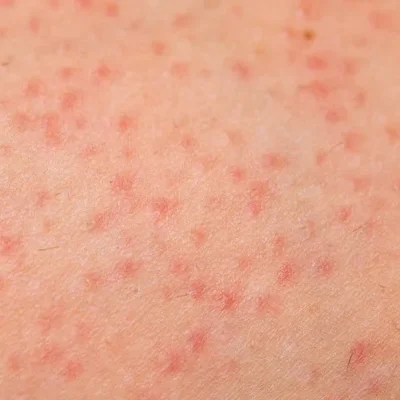
Folliculitis is an inflammatory condition that affects the follicles, small structures in the skin from which hair grows. Initially, it appears as small red bumps, pimples, or pustules around the follicles, which may be painful and itchy. It is important to diagnose and treat folliculitis in a timely manner to avoid complications and its spread. Often, this condition is confused with skin irritation after laser hair removal on the legs and other areas, so consulting a specialist is a crucial step toward proper treatment.
Causes of folliculitis
The causes of folliculitis vary, and depending on them, several types of this condition are distinguished:
- Bacterial infections – the culprit is usually Staphylococcus aureus, which enters the hair follicles through micro-damage to the skin.
- Fungal infections – inflammation of the hair follicle can be caused by fungi such as Malassezia, especially in people with oily skin.
- Ingrown hairs – folliculitis after shaving and hair removal occurs due to hair growing into the skin and causing inflammation.
- Mechanical friction – constant friction or pressure on the skin from clothing or sports equipment can contribute to the development of the condition.
- Using oily cosmetics – these products can block follicles, creating a favorable environment for bacteria and fungi.
The condition can vary in severity and form depending on the cause. As you can see, folliculitis after laser hair removal is highly unlikely, as it is caused by other factors, not the laser itself. To avoid this, choose reputable salons with high hygiene standards.
 Symptoms and types of folliculitis
 Symptoms and types of folliculitis
Folliculitis begins with the appearance of a small red spot or bump around a hair, which soon turns into a pustule. Over time, the pustule may burst or dry up, leaving a crust. In some cases, the inflammation can spread to larger areas. There are different types of folliculitis based on the depth of the infection and the severity of the symptoms:
- Ostiopholliculitis – Appears as small pimples around the hair follicles. In 3-5 days, the pimples dry up and fall off without leaving marks.
- Superficial folliculitis – Slightly larger in size (0.5-0.7 cm in diameter) and deeper. The pustules do not cause severe pain and disappear after the pus is removed.
- Deep folliculitis – Characterized by larger pustules (1-1.5 cm in diameter) affecting the entire hair follicle, and the eruptions are quite painful.
- Vulgaris sycosis – Chronic inflammation affecting the hair follicles on the face, much less commonly on other body areas.
Understanding the symptoms can help you avoid concerns about facial laser hair removal and other visible areas. Qualified specialists at LaserVille salons can professionally assess the condition of your skin and provide recommendations.
 Does laser hair removal help with folliculitis?
 Does laser hair removal help with folliculitis?
Laser hair removal can help those who suffer from chronic ingrown hairs, which often provoke inflammation of the hair follicle. During the procedure, the hair bulb is destroyed with a light pulse, preventing further growth. As the number of hairs decreases, the risk of ingrown hairs and therefore folliculitis is also reduced. Gradual hair removal leads to less inflammation, and new hairs do not have time to grow in. Therefore, the answer to whether laser hair removal helps with folliculitis is yes. However, laser hair removal should not be seen as a treatment for folliculitis.
If you are concerned about ingrown hairs and the associated inflammation, laser hair removal may be the solution to your problem. To learn more, we recommend reading our article on how to remove ingrown hairs .
Folliculitis or irritation after laser hair removal?
Laser hair removal of the bikini area and other body areas usually causes mild and temporary irritation, which can be mistaken for folliculitis. This is because both conditions have similar manifestations – redness, itching, and the appearance of small bumps. It is important to understand that irritation after hair removal and folliculitis are different problems requiring different approaches.

Irritation after laser hair removal usually manifests as redness, mild swelling, and a burning sensation, which disappears within a few hours or days. This is a normal skin reaction to the procedure and does not require special treatment. However, laser hair removal on irritated skin may worsen the condition, so it should be avoided.
Folliculitis is an inflammatory condition caused by infection in the hair follicles. Unlike temporary irritation, folliculitis can lead to pustules and often requires medical intervention. If the symptoms do not go away or worsen, you should consult a specialist. Using substandard equipment and failing to meet safety and hygiene standards may result in folliculitis after laser hair removal, which could require long-term treatment. Therefore, it is important to choose salons with certified equipment and experienced staff with medical training, such as the LaserVille network centers.
If you want to know how to properly care for your skin to avoid complications, we recommend reading our article on irritation after laser hair removal .
Conclusion
In conclusion, it is important to understand that folliculitis is an inflammatory condition of the hair follicles caused by various factors, including bacterial and fungal infections, as well as ingrown hairs. Laser hair removal is an excellent preventive measure against ingrown hairs, helping reduce the risk of developing folliculitis. However, it can also cause temporary skin irritation, which is sometimes confused with folliculitis. If you have any doubts about the nature of your skin condition, it is always best to consult a doctor.

























No reviews