




What is biorevitalization: a detailed guide to the procedure
Contents
- ❓ Facial and body biorevitalization: what is it?
- ❓ Main types of biorevitalization
- ❓ Types of Biorevitalization by Delivery Method
- ❓ Types of Biorevitalization by Product Composition
- ❓ Types of Biorevitalization by Depth of Penetration
- ❓ What are the effects of biorevitalization?
- ❓ Biorevitalization – pros and cons of the procedure
- ❓ How does a biorevitalization procedure work?
- ❓ Indications for biorevitalization
- ❓ Contraindications for biorevitalization
- ❓ Biorevitalization: what age is it best to start?
- ❓ Biorevitalization: side effects and possible complications
- ❓ Possible complications
- ❓ Biorevitalization: conclusion
What do dehydrated skin and tired eyes have in common? Both problems signal a lack of moisture at the cellular level. As we age, the body becomes less effective at retaining water: collagen production decreases, and the amount of hyaluronic acid drops. It was against this background that the biorevitalization procedure emerged — an injection-based method of delivering hyaluronic acid into the skin.
What is biorevitalization from a scientific perspective, and why is it considered one of the most effective cosmetic procedures? How does the procedure work, what are its pros and cons, and can hyaluronic acid injections really “turn back” the biological clock? In this article, we’ll explore how and why biorevitalization is done, the optimal age to begin treatment, and what types of the procedure exist.
Facial and body biorevitalization: what is it?
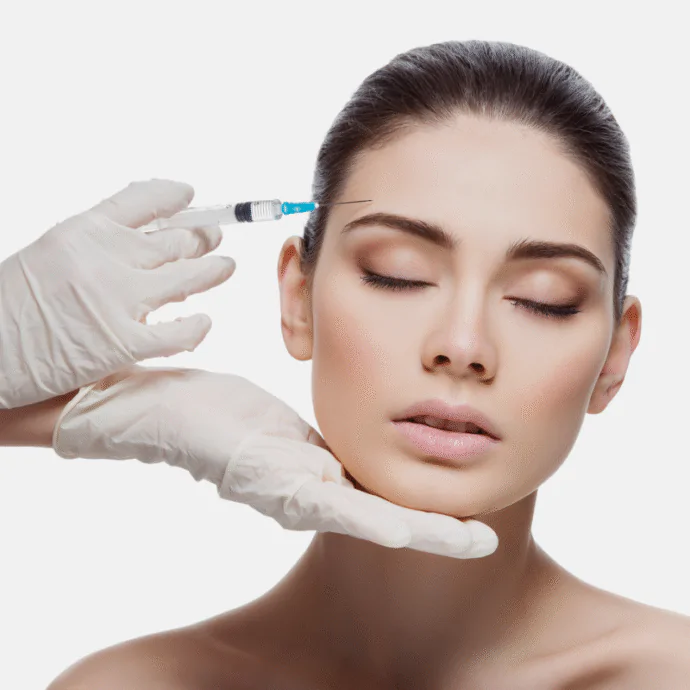
A minimally invasive injectable procedure aimed at restoring the skin’s hydration balance and improving its quality by delivering hyaluronic acid — this is what biorevitalization is. Hyaluronic acid is naturally present in the human body and plays a key role in retaining moisture and maintaining tissue elasticity. With age, its levels drop significantly, and biorevitalization helps replenish this deficit.
Biorevitalization is most commonly performed on the face, as this area first shows signs of aging, photo damage, and fatigue. However, the method is also widely used on other parts of the body: the neck, décolleté, hands, and sometimes thighs, abdomen, or back. It’s important to understand that this is not rejuvenation in the classic sense, but biostimulation that activates the body’s natural renewal processes.
Main types of biorevitalization

At first glance, biorevitalization of the face and other areas may seem like a single concept: hyaluronic acid injections. But in practice, the method has many variations that differ in formulation, application technique, and added components. Understanding the types of biorevitalization is important, at the very least, to know what to expect from the procedure.
Types of Biorevitalization by Delivery Method
- Injectable Biorevitalization. The most common type in which the product is injected directly into the skin using fine needles. This method allows active ingredients to reach the precise skin layers where they are most needed.
- Non-injectable Biorevitalization. Includes methods such as laser biorevitalization, electroporation, iontophoresis, and ultrasound. These techniques allow active ingredients to penetrate the skin without disrupting its surface.
Types of Biorevitalization by Product Composition
- Hyaluronic Biorevitalization. Based on the injection of hyaluronic acid with various molecular weights. This is the most popular type, as hyaluronic acid is natural for the body and effectively hydrates the skin.
- Complex Biorevitalization. This type uses multi-component products containing hyaluronic acid, amino acids, vitamins, minerals, peptides, and other active ingredients.
- Plasmatherapy (PRP Therapy). Involves not only hyaluronic acid but also platelet-rich plasma from the patient’s own blood. It stimulates the skin’s natural regeneration processes.
Types of Biorevitalization by Depth of Penetration
- Superficial Biorevitalization. Affects the epidermis and upper dermis layers, improving skin tone and texture.
- Deep Biorevitalization. Targets the middle and deeper layers of the dermis to correct age-related changes and stimulate collagen production.
Each type of biorevitalization has its own indications and specific features. The most suitable option for your skin will be determined by a cosmetologist after assessing your skin condition and treatment goals.

What are the effects of biorevitalization?
One of the main things patients want to know before a biorevitalization session is what effect the procedure will have. Simply put – is it worth the time and cost? The short answer: yes, the effect is quite noticeable – especially considering that this is not surgery, but a physiological method to improve skin condition.
After a full course, the skin becomes more hydrated, firm, and smooth. Fine lines are reduced, the complexion improves, and dry or flaky areas disappear. Some patients also notice a reduction in pigmentation and post-acne marks. This happens because biorevitalization stimulates collagen production and speeds up regeneration, making the skin more capable of self-repair.
The key to understanding biorevitalization is that the effects are cumulative. They appear gradually and depend on many factors: age, skin condition, lifestyle, and even climate. Usually, visible improvement starts 2–3 weeks after the first session and peaks after completing the full course.
While biorevitalization doesn’t promise to “turn back time” by ten years, it can visibly refresh, rejuvenate, and improve the overall health of your skin. And if you follow a comprehensive skincare approach, the results might even exceed your expectations.
Interested in laser hair removal for legs or other areas? Contact us for a free consultation.
Biorevitalization – pros and cons of the procedure
To make an informed decision, it’s important to consider not only the promised effects but also the limitations of the procedure. When it comes to biorevitalization, here are the key pros and cons.
Pros of biorevitalization:
- Physiological compatibility. Hyaluronic acid is a substance naturally present in the body, so the risk of rejection is minimal.
- Natural results. Unlike fillers or botulinum toxin, biorevitalization does not alter facial features – it simply improves skin quality.
- Minimally invasive. No surgery or long recovery period is required. You can return to your normal routine within a few days.
- Compatibility with other treatments. Biorevitalization can be combined with laser therapy, chemical peels, facial massage, and even facial laser hair removal.
Cons of biorevitalization:
- No immediate effect. Noticeable improvements may require several sessions.
- Injection discomfort. Despite the best efforts of specialists, hyaluronic acid injections can be unpleasant and may leave temporary marks like swelling, bruising, or redness.
- Cost. A full course can be relatively expensive.
- Dependence on specialist’s skill. The outcome and risk of side effects largely depend on the practitioner’s expertise.
In summary, the pros and cons of biorevitalization suggest that it can be highly effective – but it’s not a universal solution for everyone.

How does a biorevitalization procedure work?
Another common question about biorevitalization is how the procedure is performed. It helps to think of it as a clear step-by-step process. The entire session takes between 30 and 60 minutes and includes the following stages:
- Consultation with a cosmetologist. The specialist evaluates your skin condition, reviews your medical history, rules out any contraindications, and selects the appropriate product. They will also determine how many biorevitalization sessions you may need.
- Skin cleansing. Before starting the procedure, the skin is thoroughly cleansed of makeup, sebum, and impurities.
- Topical anesthesia. A numbing cream is applied to the treated area. It takes 15–30 minutes to work and helps make the injections more comfortable.
- Injection of the product. The cosmetologist performs a series of microinjections following a specific pattern. The product is delivered into the mid-layers of the skin, where it starts to work. You may feel slight tingling or pressure.
- Gentle massage. After the injections, the doctor may gently massage the area to evenly distribute the product and reduce swelling.
- Final care. A soothing and moisturizing cream is applied to help calm the skin and speed up recovery.
Biorevitalization can be performed on various areas – the face, neck, décolletage, or hands – and typically requires no long recovery. However, some redness, papules, or mild swelling may last for 1–2 days, which is a normal skin reaction.
Indications for biorevitalization
When a cosmetologist recommends biorevitalization, it’s usually not without reason — the procedure has well-defined clinical indications. It addresses specific concerns related to age-related and functional changes in the skin.
Here are the main indications for biorevitalization:
- Dryness and dehydration of the skin. One of the first signs that the skin is losing its ability to retain moisture.
- Dull, “tired” complexion. Biorevitalization improves microcirculation and deeply hydrates the skin.
- Wrinkles and loss of skin elasticity. The procedure is especially effective in the early stages of aging.
- Pigmentation, post-acne marks, uneven texture. By boosting regeneration and improving cell metabolism, biorevitalization helps even out skin tone and texture.
- Recovery after aggressive treatments. Such as chemical peels, laser resurfacing, plastic surgery, or prolonged sun exposure.
- Prevention of skin aging. Even in the absence of visible issues, the procedure can be used to slow down aging and strengthen the skin’s protective barrier.
Hyaluronic acid injections are suitable for both women and men and can be performed on any skin type. The key is to ensure the indications for biorevitalization are met. That’s why a consultation with a specialist is essential before starting the course.

Contraindications for biorevitalization
Although biorevitalization is considered relatively safe, it is still an invasive method. Therefore, there are a number of conditions under which injections are either not recommended or completely prohibited.
Here are the main absolute and relative contraindications for biorevitalization:
- Pregnancy and breastfeeding. The skin is more prone to hormonal fluctuations during this period.
- Oncological diseases. Any procedures that stimulate tissue regeneration are contraindicated in the presence of tumors.
- Acute inflammatory or infectious diseases. Colds, active herpes outbreaks, boils, or skin rashes are reasons to postpone the procedure.
- Autoimmune and chronic diseases in an active phase. Biorevitalization may intensify the body’s inflammatory response.
- Allergy to product components. While allergic reactions to hyaluronic acid are rare, other ingredients in the formula may cause issues.
- Blood clotting disorders or anticoagulant use. This increases the risk of bruising, hematomas, and prolonged healing.
- Recent aesthetic procedures. Botox, fillers, laser resurfacing, or deep peels may affect the outcome or tolerance of biorevitalization.
- Menstruation. The skin is more sensitive during this time, increasing the risk of swelling and bruising.
To avoid complications, a consultation before starting the course is essential.
If the contraindications to biorevitalization seem concerning, start with safer beauty treatments — such as bikini laser hair removal at one of the LaserVille salons.
Biorevitalization: what age is it best to start?
One of the most frequently asked questions about biorevitalization is when it can or should be started. The answer depends more on skin condition, lifestyle, and genetics than on age alone. However, there are general guidelines:
- Under 25. Biorevitalization is rarely performed at this age and usually only for specific medical or cosmetic reasons such as post-acne marks, scarring, or dehydration after aggressive treatments.
- 25–35 years. This is considered the optimal age to start. At this stage, the skin begins to lose moisture and elasticity, especially if you live in a big city, spend a lot of time in the sun, smoke, or have poor sleep habits.
- 35–45 years. The procedure is most widely used in this age group. The skin still responds well to stimulation, and early signs of aging become more visible. The results of biorevitalization are especially noticeable during this period.
- After 45. While biorevitalization doesn’t reverse aging, it can significantly improve skin quality. It’s usually part of a comprehensive skincare plan, combined with peels, laser therapy, or fillers. The effects are real, but they require a systematic approach and realistic expectations.
So the right age for biorevitalization isn’t a strict rule — it’s about your skin’s actual needs. The key is to avoid chasing trends and instead focus on personalized care under the guidance of a professional.

Biorevitalization: side effects and possible complications
While biorevitalization is considered a safe procedure, it is still an injectable method. That means side effects after biorevitalization — although not always serious — can still occur. These can be divided into expected reactions and undesirable complications.
Normal (temporary) side effects after biorevitalization:
- Redness and swelling – a natural reaction to injections, typically subsiding within 24–48 hours.
- Small papules (bumps) at the injection sites – especially common with the classic injection technique. Usually disappear within 1–3 days.
- Mild tenderness or a feeling of tightness – also temporary and related to the skin’s response to hyaluronic acid.
- Minor bruising may occur, especially if blood vessels are close to the skin’s surface. These are harmless and resolve on their own.
Possible complications
- Allergic reaction – rare but possible, especially in individuals sensitive to the auxiliary ingredients in the product.
- Infection – may occur if sterility is compromised or post-procedure care is inadequate.
- Lumps or uneven skin texture – usually caused by improper injection technique or poor distribution of the product.
- Fibrosis or granulomas – extremely rare but potentially serious complications that require medical attention.
- Facial asymmetry or impaired expressions – not typical for biorevitalization, but may occur if injected improperly in areas with active facial muscles.
To minimize risks, it’s crucial to follow your specialist’s recommendations before and after the procedure, and to choose a reputable clinic and experienced practitioner.

Biorevitalization: conclusion
In this article, we’ve explored what biorevitalization is and how it works for the face and other areas. It’s a scientifically backed method of restoring skin hydration, elasticity, and a healthy glow. By injecting hyaluronic acid into the middle layers of the skin, the procedure stimulates natural regeneration, improves microcirculation, and boosts collagen and elastin production.
Its main advantages include relative safety, no radical interference with the body, and noticeable results. However, if you’re considering hyaluronic acid injections for the face, you should carefully weigh the pros and cons: biorevitalization requires a treatment course, involves costs, depends on the practitioner’s skills, and doesn’t provide instant effects.
That’s why it’s essential to understand how often biorevitalization can be done, what results are realistic, and whether the procedure suits your specific needs. If you’re looking for a non-surgical way to improve your skin’s condition, biorevitalization can be a gentle step toward rejuvenation. Just be sure to make informed decisions after consulting with a qualified doctor and choose a trusted clinic.






















No reviews