





Pigmentation after laser epilation
Contents
- 🐾 Pigmentation after laser hair removal: causes
- 🐾 Types of pigmentation that may occur after laser hair removal
- 🐾 Can pigmentation after laser hair removal be prevented?
- 🐾 How to remove pigmentation after laser hair removal?
- 🐾 Skin care recommendations before laser hair removal
- 🐾 Pigmentation after laser: conclusions
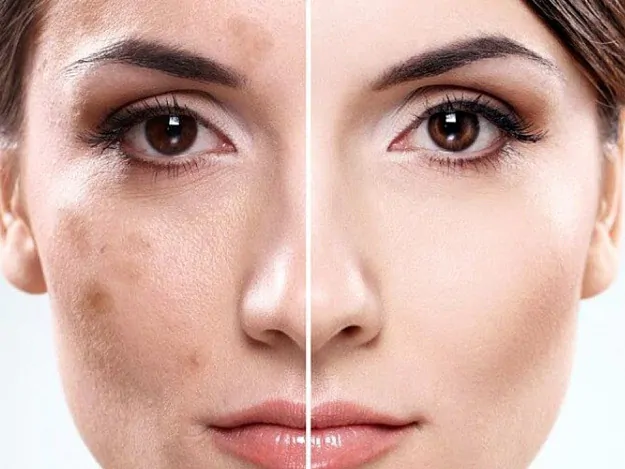
Laser hair removal is one of the most popular procedures for hair removal, providing long-lasting effects and significant hair growth reduction. However, like any cosmetic procedure, laser hair removal is not without potential complications. One of the side effects is pigmentation after laser hair removal—changes in skin color in the treated area. Pigmentation after laser can manifest as hyperpigmentation (dark spots) or hypopigmentation (white spots). In this article, we will discuss the causes of pigmentation after laser hair removal, methods to prevent it, and ways to treat it.
Pigmentation after laser hair removal: causes
Pigment spots after laser hair removal can be an unpleasant consequence if all risk factors are not considered. To understand how to minimize the risk of pigmentation, it is important to understand the causes of its occurrence. Here are the main ones:
- Skin phototype and hair color. People with dark skin (IV-VI phototypes) are more prone to hyperpigmentation. This is because the laser acts on melanin, which is present in dark hair and skin.
- Failure to follow sun protection recommendations. Ultraviolet radiation affects the laser-treated skin and increases the risk of dark spots after laser hair removal.
 Insufficient preparation for the procedure. Residual cosmetic products or inadequate skin cleansing can cause the laser to affect not only hair but also impurities, which can also cause pigmentation.
- Incorrect laser parameters. If the laser settings do not match the skin and hair type, this can lead to skin overheating and damage, contributing to the appearance of pigment spots from laser hair removal.
- Violation of post-procedure care recommendations. Using aggressive cosmetics, frequent rubbing of the treated area, or visiting saunas and pools can cause inflammation and subsequent pigmentation.
- Hormonal changes. Pregnancy, menopause, or taking hormonal medications can increase the skin’s sensitivity to the laser.
 Insufficient preparation for the procedure. Residual cosmetic products or inadequate skin cleansing can cause the laser to affect not only hair but also impurities, which can also cause pigmentation.
As seen from this list, the likelihood of pigmentation after laser largely depends on the equipment and the professionalism of the hair removal specialist. In LaserVille salons, laser hair removal of the face and other areas is performed by specialists with medical education using revolutionary Moveo technology.
 Types of pigmentation that may occur after laser hair removal
 Types of pigmentation that may occur after laser hair removal
Pigmentation after laser hair removal can manifest in different forms, and knowing the types of these changes helps to recognize and start correcting them in a timely manner. The main types of pigmentation that may occur after the procedure:
- Hyperpigmentation. This condition is characterized by skin darkening in the area affected by the laser. It occurs due to increased melanin production in response to heat exposure. This type of pigmentation is more common in people with darker skin phototypes. Dark spots after laser hair removal may disappear within a few weeks or months.
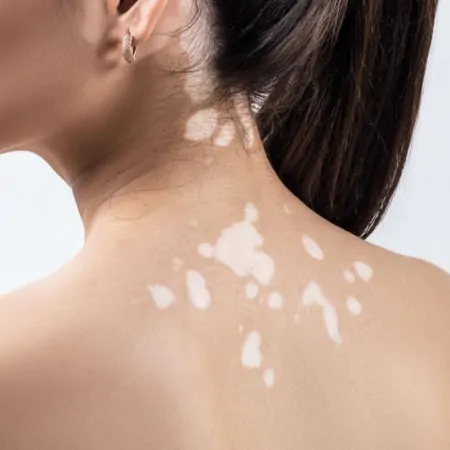
- Hypopigmentation. In this case, white spots after laser hair removal appear, associated with a loss of melanin. This type of pigmentation most often occurs when using a laser on light skin phototypes. It is generally a rarer side effect, and skin color restoration may take a relatively long time.
Understanding the types of pigmentation helps assess the risks and learn whether pigment spots can be prevented, how to remove pigmentation after laser, and what to do for effective skin protection.
Can pigmentation after laser hair removal be prevented?
To minimize or prevent the appearance of pigment spots after laser hair removal, it is important to protect the skin from ultraviolet radiation and thoroughly cleanse it of makeup and oils before the procedure. Choosing a clinic with experienced specialists and modern equipment also matters, as the correct laser settings reduce the risk of pigmentation. After the procedure, it is recommended to avoid hot baths, skin rubbing, and using scrubs to prevent inflammation. Following the specialist’s recommendations for skin care will help speed up recovery and reduce the risk of pigment spots. These measures help reduce the likelihood of pigmentation and ensure safe laser hair removal of the legs and other areas.
 How to remove pigmentation after laser hair removal?
 How to remove pigmentation after laser hair removal?
If pigmentation appears after laser hair removal, there are several methods to eliminate it. According to research published in the scientific journal “Lasers in Medical Science,” pigmentation from laser hair removal always resolves on its own within no more than six months. By consulting with a doctor, you can speed up this process using:
- whitening creams containing hydroquinone, kojic acid, or arbutin, which can lighten dark spots and even out skin tone;
- chemical peels using glycolic or lactic acid, which accelerate skin cell renewal;
- laser therapy designed to correct pigment spots;
- regular moisturizing and sun protection.
Thus, pigmentation after laser is usually temporary, and with proper care, the skin recovers more quickly. If you still have questions about what to do with pigmentation after laser and how to remove pigment spots after laser hair removal, it is best to consult a specialist who can assess the condition of your skin and suggest a treatment method.
 Skin care recommendations before laser hair removal
 Skin care recommendations before laser hair removal
Skin care recommendations before laser hair removal depend on the type of laser and the client’s individual characteristics. Proper preparation minimizes the risk of pigmentation and ensures the effectiveness of the procedure. The LaserVille salon network uses Moveo laser hair removal technology, which is characterized by high safety and comfort for the client.
To prepare for the procedure, we recommend:
- avoiding tanning and sunbeds for 3-5 days before the procedure, as tanned skin is more sensitive to the laser and prone to pigmentation;
- not using self-tanners, peels, and scrubs that may cause skin irritation a few days before the session;
- not plucking hair from the root (e.g., using wax or tweezers) a few weeks before the procedure so that the laser can effectively target the follicles;
- shaving the hair on the skin area to be treated with the laser 24 hours before the salon visit;
- avoiding substances that increase skin sensitivity to light (these include tetracycline antibiotics, fluoroquinolones, retinoids, and cosmetics containing citrus oils) on the skin;
- thoroughly cleansing the skin of makeup, creams, oils, and other cosmetics the day before the session—this increases the accuracy of the laser’s action.
Proper preparation helps avoid pigmentation from laser hair removal and other side effects such as irritation and burns. Following recommendations before the procedure significantly increases its effectiveness, ensuring quality results for full body laser hair removal .
Pigmentation after laser: conclusions
In summary, pigmentation after laser hair removal is a temporary phenomenon that can be prevented and successfully corrected with proper care. Understanding the causes of its appearance, choosing a qualified specialist, and following recommendations help minimize risks. The Moveo technology used in LaserVille salons ensures safe and comfortable procedure conditions with minimal side effects. Even if pigmentation occurs, there are effective treatment methods, and in most cases, skin color is restored within six months. It is important to pay attention to preparation and skin care to ensure the best results and maintain its health and beauty.



























No reviews