




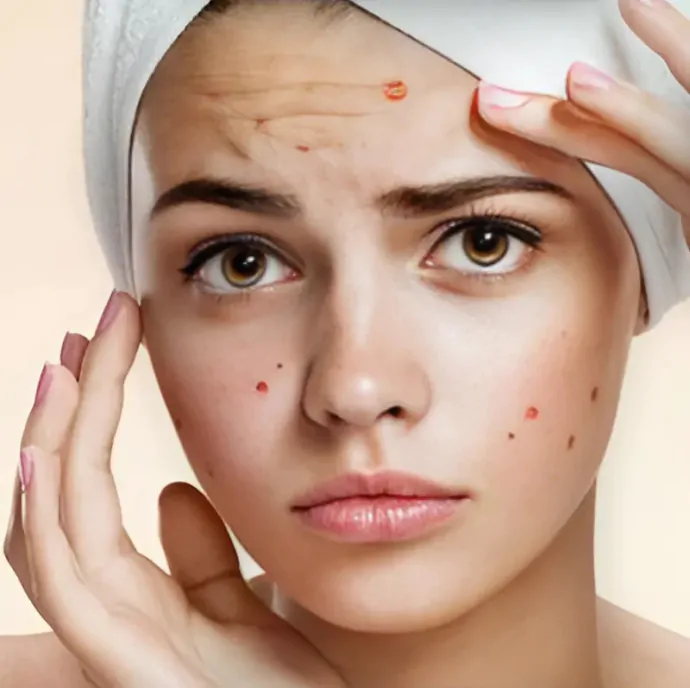
Is it possible to do laser hair removal if you have acne?
Contents
Full body laser hair removal has become a popular cosmetic procedure due to its effectiveness in combating unwanted hair. However, many people wonder: can you undergo laser hair removal if you have acne? This question is especially pressing for those with problematic skin, as inflamed areas and skin sensitivity may cause concerns about laser exposure.
In this article, we will discuss how laser hair removal affects acne, the potential risks, and conversely, possible positive effects. We will also examine in detail when the procedure is contraindicated and how to properly care for the skin to avoid complications. It is important to understand that laser hair removal can be safe even for problematic skin, but it requires a professional approach and adherence to dermatologist recommendations.
 Laser hair removal and acne: general information
 Laser hair removal and acne: general information
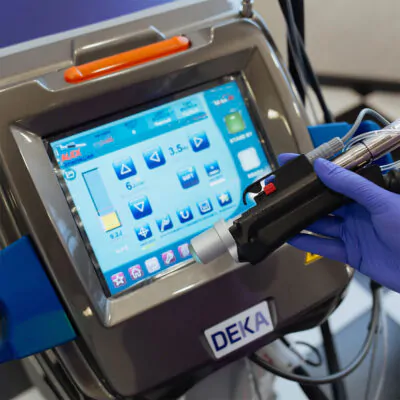
Laser hair removal is a method based on the effect of a laser beam on hair follicles, leading to hair destruction. Many believe that the laser can cause acne, but this is a misconception. Laser hair removal itself does not cause acne. However, after the procedure, temporary breakouts may occur due to infection entering open pores or micro-damage to the skin. To avoid this, it is important to properly prepare for the session and maintain hygiene.
Laser hair removal is possible with acne, but its use depends on the stage and severity of the condition. If acne is in an acute phase with pronounced inflammation, the procedure should be postponed until the skin improves. In other cases, the laser can be safe if all doctor recommendations are followed, even on large areas such as the back. Thus, laser hair removal and acne issues are not necessarily mutually exclusive, but an individualized approach is required, based on consultation with a dermatologist.
The effect of laser hair removal on acne: can it improve skin condition?
How does laser hair removal affect acne? While laser hair removal is a way to remove unwanted hair, it can also have a positive effect on skin condition, especially for people suffering from ingrown hairs and related inflammation. Ingrown hairs often cause local inflammation that may resemble acne. The laser, by destroying hair follicles, eliminates the problem of ingrown hairs, thus helping to reduce breakouts in the future.

Moreover, laser exposure has an antibacterial effect, which can reduce bacterial activity on the skin’s surface, a significant factor in acne development. However, it is important to remember that skin improvement is possible only when acne is not in an exacerbated phase. Thus, laser hair removal and acne can coexist, and with the right approach, skin condition can indeed improve, especially if problems are associated with ingrown hairs.
Laser hair removal for acne: when is the procedure contraindicated?
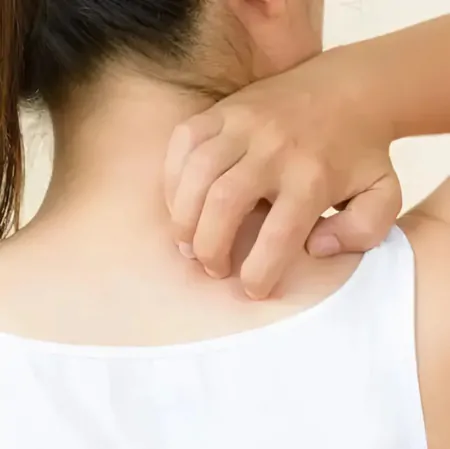
Despite the fact that laser hair removal of the face and other areas can be safe and even beneficial for some people with acne, there are cases where the procedure is contraindicated. Primarily, this applies to patients with active inflammatory breakouts, especially with pustules. Laser exposure on areas with acute acne may worsen inflammation and lead to skin deterioration.
The procedure is also not recommended for people with severe forms of acne. In such cases, the skin is more sensitive and prone to damage, increasing the risk of complications. Contraindications may also include various dermatological conditions associated with acne, such as rosacea. Additionally, it is important to note that laser hair removal and acne can conflict when taking certain medications, such as retinoids. These agents, as well as other photosensitizers, make the skin more vulnerable, increasing the risk of burns and pigmentation after the procedure.
 It is recommended to consult a dermatologist before starting a laser hair removal course. They will assess the skin condition and help determine if laser hair removal is safe for acne in each specific case.
Laser hair removal and acne: skin care before and after the procedure
Proper skin care for acne before and after laser hair removal plays a key role in preventing complications and improving results. To minimize the risks of inflammation and irritation, it is important to follow several recommendations.
Before the procedure:
- Avoid using scrubs, alcohol, and acids 3-5 days before the session.
- Avoid tanning or sunbeds for 2 weeks before the procedure (3-5 days if using Moveo technology).
- Stop using retinoids 2 weeks before the session.
- Avoid applying cosmetics on the skin the day before the procedure to prevent pore contamination.
After the procedure:
 Avoid using aggressive cosmetics for a few days after hair removal.
- Moisturize the skin with gentle creams containing panthenol, but without oils or comedogenic ingredients.
- Protect treated areas from sun exposure with SPF 50+ sunscreen.
- Minimize friction and other physical impact on the skin.
- Avoid saunas, baths, and pools for at least 48 hours after the procedure.
 Avoid using aggressive cosmetics for a few days after hair removal.
By following these recommendations, you can minimize the risk of complications and enhance the results of laser hair removal for acne and problematic skin in general.
Conclusion
Laser hair removal for acne can be a safe and effective procedure with the right approach. It is important to remember that laser hair removal itself does not cause acne, but without proper skin care, temporary breakouts may occur. The procedure can even improve skin condition by eliminating ingrown hairs and reducing bacterial activity. However, there are contraindications, especially for those with active inflammatory processes and severe forms of acne. A dermatologist consultation before starting a course is essential, as it will help determine if laser hair removal for acne is possible in your specific case. Following skin care recommendations before and after the procedure also plays a key role in achieving the best results and preventing complications.






















No reviews