





How to relieve irritation after laser hair removal?
Contents
- ⚡ Causes of irritation, redness, and itching after laser hair removal
- 🐝 What forms does irritation after laser hair removal take?
- ⏳ How long does irritation last after laser hair removal?
- ❓ Is it possible to prevent itching and redness after laser hair removal?
- 💥 How to relieve itching and irritation after laser hair removal?
- ✅ How to minimize the likelihood of itching and inflammation after laser hair removal?
- 👻 Effects that should not be feared after laser hair removal at LaserVille
- 🚑 Redness and itching after laser hair removal: summary
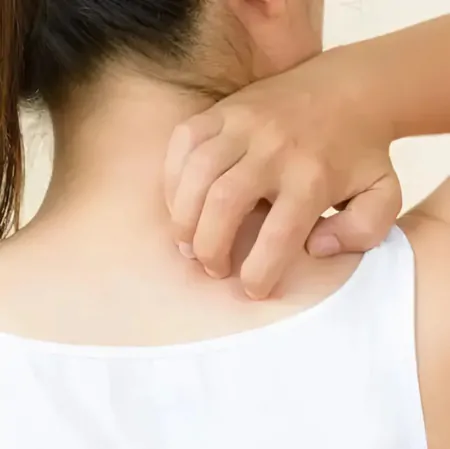
Irritation after laser hair removal with our Alexandrite laser usually lasts only a few hours, unlike waxing, sugaring, or using an epilator, which require longer soothing for the skin. Irritation can manifest as redness, swelling, itching, burning, red spots, or pustules. This not only affects the appearance of the skin but also causes discomfort and pain.
Want to know how to get rid of irritation and relieve itching after laser hair removal? In this article, we will explain the causes of irritation, ways to prevent and treat it, and share useful tips for post-treatment skin care.
| Care Method | Description |
| Moisturizing products | Apply moisturizers with panthenol or aloe vera to soothe the skin and prevent burning after laser hair removal. Avoid products with alcohol and fragrances. |
| Avoiding the sun | Protect your skin from direct sunlight. The sun can increase irritation after hair removal and cause pigmentation on treated areas. |
| Loose clothing | Wear loose, non-abrasive clothing made of natural fabrics to minimize skin irritation and rash after laser hair removal. |
| Avoid hot water | Avoid hot showers and baths for a few days after the procedure. |
Follow this link if you’re interested in male laser hair removal.
⚡ Causes of irritation, redness, and itching after laser hair removal
What causes irritation after laser hair removal? Minor skin changes occur for several reasons.
- Firstly, due to an allergic reaction of the body. In this case, antihistamines and creams are used to relieve redness after laser hair removal.
- Secondly, the body’s reaction to the physical irritation from laser hair removal is normal. Even the most gentle hair removal, such as using the Motus AX laser, involves thermal exposure to the tissues surrounding the hair follicle, meaning there is minimal stress on the skin.
 🐝 What forms does irritation after laser hair removal take?
 🐝 What forms does irritation after laser hair removal take?
Just like irritation after shaving, the skin’s reaction to laser treatment can vary.
Among other factors, it depends on the type of impact on the skin.
Depending on the type of skin treatment, the reaction can vary. When it comes to physical hair removal with the follicle, such as sugaring or waxing, irritation after hair removal may manifest in different ways — it could be spots, a feeling of tightness and dryness of the skin. Sometimes there is itching, peeling, and even small bruises. Redness can also occur if hairs become ingrown, resulting in a red bump where the tissue becomes inflamed.
For irritation after Alexandrite laser, skin redness appears as a delicate pink or bright pink shade.
⏳ How long does irritation last after laser hair removal?
Redness after laser hair removal at LaserVille usually lasts from an hour to two days, as we use the innovative Motus AX system with cooling technology. In the case of other lasers, such as diode lasers, these effects can be more pronounced and last longer. It also depends on the individual sensitivity of the skin and the body part being treated. For example, irritation after laser hair removal on the bikini area may last a bit longer than after procedures on the arms or legs.

❓ Is it possible to prevent itching and redness after laser hair removal?
Preventing skin irritation or slight burning after laser hair removal is not always possible. However, speeding up the skin’s recovery process and minimizing redness after laser hair removal is achievable with the right approach from both the patient and the technician performing the procedure.
It’s worth noting that after a course of laser treatments, hair will disappear for many months or even several years. Without the need for frequent procedures, there will be no recurring irritation, meaning that unlike with alternative methods, you won’t have to regularly worry about how to reduce redness after hair removal on the face or other areas of the body.
💥 How to relieve itching and irritation after laser hair removal?
How to speed up skin recovery after laser treatment? The main task is to give the skin rest after the procedure. Do not stress it with other exposures, overheating, water procedures, and various abrasions.
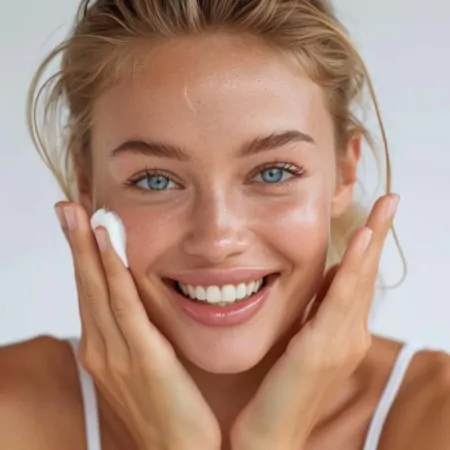
Ointments and creams based on dexpanthenol help to quickly reduce red spots and rashes after laser hair removal. Dexpanthenol is a derivative of pantothenic acid (vitamin B5). Products such as Panthenol, Pantestin, Bepanthen, and similar creams — including those used for irritation after shaving — are effective. Thanks to their light texture, they are quickly absorbed and help eliminate signs of irritation.
Important! To speed up skin recovery after laser treatment, avoid additional stress on the skin, such as intense workouts, visiting saunas, or taking hot baths.
 In addition, when relieving skin irritation with cosmetics, carefully check their composition. They should not contain parabens, fragrances, aromatic additives, and other components that can provoke even more severe irritation after laser hair removal.
To relieve symptoms of irritation after laser hair removal, follow these recommendations:
- Give your skin rest. Avoid stress factors, including overheating, intense physical activity and exercise, hot water, massages, and abrasions. This will help minimize rash and itching after laser hair removal.
- Use ointments and creams based on dexpanthenol. Preparations with pantothenic acid (vitamin B5), such as Panthenol, Pantestin, Bepanthen, and their analogs, effectively relieve redness and rashes after laser hair removal.
- Pay attention to the composition of cosmetics. Choose cosmetic products without parabens, fragrances, aromatic additives, and other irritating components.
 Apply compresses with decoctions. For example, chamomile decoction has soothing and anti-inflammatory properties. Soak a clean cloth in the decoction and apply it to the irritated area for 10-15 minutes. Vinegar compresses can also be effective, but they should be used with caution and in a diluted form.
- Use aloe vera. Apply aloe vera gel to the irritated skin and let it absorb. Aloe vera helps speed up the healing process and relieve discomfort.
- Avoid the sun. This is one of the key recommendations for those wondering what to do after laser hair removal. After the procedure, try to avoid direct sunlight on the treated areas of the skin. UV rays can increase irritation after laser hair removal and slow down the healing process. If you need to go outside, use sunscreen with a high protection factor (at least SPF 50).
- Wear loose clothing. Tight and synthetic clothing can worsen irritation and cause itching after laser hair removal in the bikini area.
- Drink plenty of water. Drink enough water to maintain skin hydration and speed up the healing process.
 Apply compresses with decoctions. For example, chamomile decoction has soothing and anti-inflammatory properties. Soak a clean cloth in the decoction and apply it to the irritated area for 10-15 minutes. Vinegar compresses can also be effective, but they should be used with caution and in a diluted form.
These simple tips will help you reduce rash, itching, and other symptoms of irritation, as well as speed up the skin’s recovery process after laser hair removal. Consult with your doctor when applying these methods.
✅ How to minimize the likelihood of itching and inflammation after laser hair removal?
 If you take the necessary steps in advance, you might not have to worry later about how to get rid of irritation. To prevent severe irritation after laser hair removal and increase the effectiveness of the procedure, follow these recommendations:
- Choose the right days for sessions. If possible, avoid laser hair removal during illness or recovery periods.
- Avoid sun exposure. Try to avoid prolonged sun exposure 3-5 days before the procedure using Moveo technology and 2 weeks in the case of a regular Alexandrite laser.
- Avoid certain medications. Some drugs (e.g., fluoroquinolones and retinoids) can increase skin sensitivity and the risk of itching and inflammation after laser hair removal.
- Do not use cosmetic products on the day of the session. On the day of the procedure, avoid using creams, oils, and other cosmetic products on the skin area that will be treated with laser hair removal.
Following these recommendations, you can significantly reduce the likelihood of rash and redness after laser hair removal.
 👻 Effects that should not be feared after laser hair removal at LaserVille
 👻 Effects that should not be feared after laser hair removal at LaserVille
Besides irritation, some clients fear other unwanted effects after laser hair removal. Many of these fears are based on myths or concern rare side effects that largely depend on incorrect approaches. Let’s look at some of them:
- Acne after laser hair removal. According to scientific research, 80% of acne cases are caused by genetic factors. This condition can also be related to hormones, diet, and stress. Laser hair removal itself does not cause this problem, but acne after laser hair removal can occur if an infection enters the skin.
 Burns after laser hair removal. Burns can indeed be a side effect of laser hair removal, but they are almost always associated with the wrong choice of equipment, unprofessionalism of the technicians, or failure to follow the preparation recommendations. All these factors are excluded in LaserVille salons.
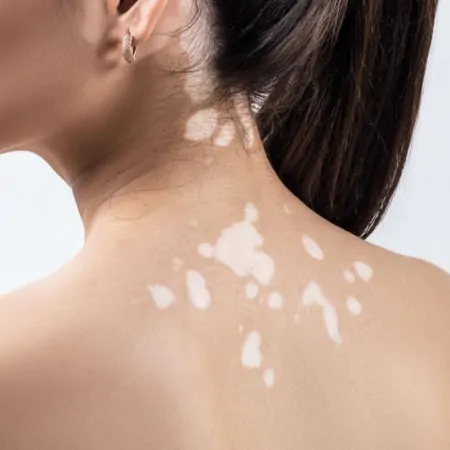
- Hyperpigmentation after laser hair removal is not an allergy but a temporary side effect. You can minimize its likelihood by following specialist recommendations.
- Candidiasis after laser hair removal. Candidiasis or thrush is caused by fungi of the genus Candida, which are part of the human microflora. You cannot contract thrush in our salons. Itching after laser hair removal in the bikini area can be a temporary irritation, not a manifestation of candidiasis.
- Ingrown hairs after laser hair removal. Laser hair removal is actually a method to prevent ingrown hairs, which can appear after using traditional hair removal methods.
- Folliculitis after laser hair removal. It is important to understand the difference between skin irritation and inflammation of the hair follicles. Breakouts after the procedure are not considered folliculitis after laser hair removal, and in most cases, no treatment is needed.
 Burns after laser hair removal. Burns can indeed be a side effect of laser hair removal, but they are almost always associated with the wrong choice of equipment, unprofessionalism of the technicians, or failure to follow the preparation recommendations. All these factors are excluded in LaserVille salons.
In case of severe skin redness, rashes, and other signs of irritation after laser hair removal, as well as any unforeseen side effects, please contact our specialist or your healthcare provider.

🚑 Redness and itching after laser hair removal: summary
In today’s article, we discussed redness and itching after laser hair removal on the arms and other areas. Unfortunately, even such a safe and comfortable procedure cannot be completely free of side effects. However, it is important to understand that overall, laser hair removal with the Motus AX device is much safer and more comfortable than similar hair removal methods. For example, unlike waxing, using a depilator, or sugaring, it does not cause pain or lead to ingrown hairs.
To avoid any risks, read our article on how to properly prepare for laser hair removal and schedule a free consultation. Additionally, do not hesitate to contact a specialist if you experience itching or other unpleasant effects after laser hair removal.






















No reviews